





Security Service Edge (SSE) is a cloud-delivered security architecture that protects access to applications, data, and the internet based on user identity, device context, and security policy.
Rather than relying on traditional perimeter-based security models, SSE moves security controls closer to users and cloud applications through globally distributed cloud enforcement points. This allows organisations to apply consistent security policies across remote users, branch locations, SaaS applications, and hybrid environments without routing traffic through a central data center.
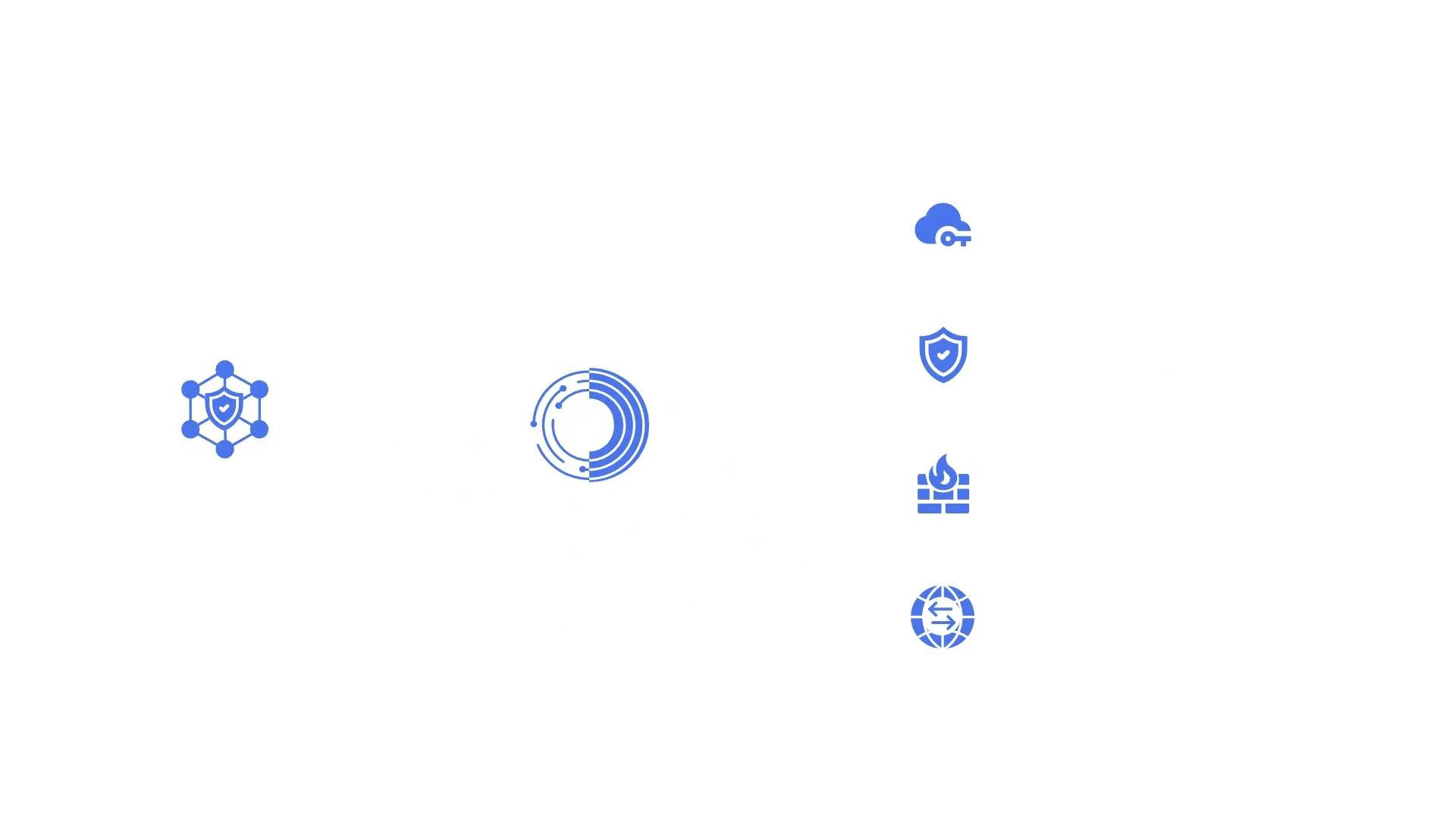
SSE brings together multiple security technologies into a unified framework, including:
-
Secure Web Gateway (SWG)
-
Cloud Access Security Broker (CASB)
-
Zero Trust Network Access (ZTNA)
-
Firewall as a Service (FWaaS)
As organisations continue expanding across cloud platforms, distributed workforces, and internet-based applications, SSE helps simplify how access, security, and policy enforcement are managed at scale.
SSE is also considered the security layer of Secure Access Service Edge (SASE). While SASE combines networking and security into a unified architecture, SSE focuses specifically on securing users, devices, and application access.
 Why SSE matters for modern enterprises
Security architectures built around a fixed network perimeter are becoming harder to manage as applications, users, and workloads move across cloud and hybrid environments.
Enterprises today often face challenges such as:
-
Limited visibility across SaaS applications and internet traffic
-
Increasing dependency on remote and hybrid access
-
VPN complexity and inconsistent user experience
-
Shadow IT and unmanaged cloud application usage
-
Difficulty applying consistent policies across locations
-
Rising security exposure across distributed environments
SSE addresses these challenges by shifting security enforcement into the cloud and applying policies based on identity, context, and application access rather than physical network location.
For organisations building towards Zero Trust access models, SSE provides a practical foundation for securing modern digital environments without adding unnecessary operational complexity.
How does SSE work?
SSE works by inspecting and securing traffic between users, devices, applications, and cloud services through a cloud-native security platform.
Instead of backhauling traffic through a central firewall or VPN gateway, security controls are applied through distributed cloud points of presence (PoPs) positioned closer to users and applications. This helps improve both security visibility and user experience.
1. Identity-based access control
SSE platforms integrate with identity providers (IdPs), single sign-on (SSO), and multi-factor authentication (MFA) systems to verify users before access is granted.
Access decisions are based on:
-
User identity
-
Device posture
-
Application sensitivity
-
User location
-
Risk level and session context
This supports the least privilege of access by limiting users only to the applications and resources they are authorised to use.
2. Inline security inspection
Traffic is inspected in real time through cloud-delivered inline controls. This allows SSE platforms to identify threats, enforce URL filtering policies, inspect encrypted traffic, and block malicious activity without relying on legacy security appliances.
3. SaaS and cloud visibility
Through CASB capabilities, SSE platforms provide visibility into SaaS usage, cloud applications, and shadow IT activity. Organisations can monitor cloud access, enforce compliance policies, and reduce data exposure across cloud services.
4. Zero Trust application access
ZTNA capabilities replace broad network-level VPN access with secure application-level access. Users connect directly to authorised applications instead of gaining access to the wider corporate network.
SSE vs SASE
Security Service Edge (SSE) and Secure Access Service Edge (SASE) are closely related architectures, but they address different parts of enterprise infrastructure.
SSE
SSE focuses specifically on cloud-delivered security services, including:
-
SWG
-
CASB
-
ZTNA
-
DLP
-
FWaaS
-
Threat prevention
Its primary purpose is securing access to applications, internet traffic, and cloud services.
SASE
SASE combines SSE security capabilities with networking technologies such as SD-WAN to create a unified cloud-native networking and security architecture.
In simple terms:
-
SSE = Security layer
-
SASE = Networking + security combined
Many organisations adopt SSE first to modernise access security before expanding towards a broader SASE framework.
Core components of SSE
Security Service Edge (SSE) combines multiple cloud-delivered security capabilities into a unified access security framework.
These components help organisations secure users, applications, and internet traffic while applying consistent policies across distributed environments.
1. Secure Web Gateway (SWG)
A Secure Web Gateway protects users from malicious websites, unsafe content, and internet-based threats. Many organisations implement SWG capabilities through cloud-delivered security platforms such as Cisco Umbrella.
2. Cloud Access Security Broker (CASB)
CASB provides visibility and control over SaaS applications and cloud usage. It helps organisations identify shadow IT, monitor cloud access, and enforce security policies across cloud platforms.
3. Zero Trust Network Access (ZTNA)
ZTNA provides secure access to applications based on identity and context rather than network location. It supports least privilege access and reduces reliance on traditional VPN architectures.
4. Firewall-as-a-Service (FWaaS)
Some SSE platforms include cloud-delivered firewall functionality to inspect and control network traffic across users, applications, and distributed locations.
5. Data Loss Prevention (DLP)
DLP capabilities help protect sensitive information from unauthorized sharing, transfer, or exposure across web, SaaS, and cloud environments.
Benefits of SSE
1. Consistent security across distributed environments
SSE applies to centralized policies across users, devices, applications, and locations regardless of where users connect from.
2. Reduced dependency on legacy VPNs
ZTNA capabilities allow organisations to replace broad VPN access with secure application-level access controls.
3. Improved visibility across cloud applications
CASB functionality helps security teams monitor SaaS usage, identify shadow IT, and enforce cloud security policies.
4. Simplified security operations
Consolidating multiple security services into a unified platform can reduce operational complexity and improve policy consistency.
5. Better user experience
By enforcing policies through distributed cloud PoPs, SSE reduces unnecessary traffic backhauling and supports more direct application access.
6. Scalable cloud-native architecture
SSE platforms scale more efficiently across remote users, branch offices, and cloud environments without requiring additional hardware deployments.
Common SSE use cases
SSE is commonly used to secure access across remote users, SaaS applications, cloud environments, and distributed enterprise networks. It helps organisations apply consistent security and access policies across different users, locations, and applications.
1. Securing hybrid and remote workforces
SSE enables secure access to business applications for users working across remote, branch, and hybrid environments.
2. Protecting SaaS applications
CASB and DLP capabilities help organisations secure cloud platforms such as Microsoft 365, Salesforce, and Google Workspace.
3. Replacing traditional VPN access
ZTNA provides more controlled and application-specific access compared to legacy VPN models.
4. Improving internet security
SWG functionality protects users from malicious websites, phishing attempts, and unsafe internet activity.
5. Supporting Zero Trust strategies
SSE helps organisations apply identity-driven access policies and reduce unnecessary network exposure.
SSE and Cisco
Cisco delivers SSE capabilities through cloud-delivered security services including Cisco Secure Access, Cisco Umbrella, and Cisco Duo. These platforms support identity-based access control, secure internet access, Zero Trust access policies, and cloud-delivered threat protection across distributed environments.
For organisations planning broader security transformation initiatives, Cisco’s approach allows SSE capabilities to align with SD-WAN and SASE architectures through unified policy enforcement and cloud-native security controls.
As a Cisco-focused provider, Orixcom supports enterprises in designing and deploying secure access architectures aligned with modern cloud, remote access, and Zero Trust requirements.
When should organisations choose SSE instead of full SASE?
SSE is often the right starting point when organisations need to modernise security access controls without redesigning their underlying network architecture immediately.
Businesses commonly priorities SSE when:
-
Remote access security is becoming difficult to manage
-
SaaS and cloud adoption is increasing rapidly
-
VPN complexity is affecting performance or visibility
-
Identity-driven access control is required
-
Existing WAN infrastructure remains operationally sufficient
-
Security consolidation is the immediate priority
As networking transformation requirements evolve, many organisations later extend SSE strategies into broader SASE frameworks. Choosing between SSE and SASE depends on your networking and security requirements. Our SASE Guide explains the key differences, core components and practical steps for successful SASE adoption.
How Orixcom supports modern SSE strategies
As organisations continue expanding across cloud platforms, hybrid work environments, and distributed applications, secure access is becoming increasingly dependent on identity-driven policy enforcement and cloud-delivered security controls.
SSE helps enterprises simplify how users connect securely to applications, SaaS platforms, and internet services while improving visibility, policy consistency, and access control across distributed environments.
For organisations evaluating broader Zero Trust or SASE strategies, SSE can also provide a practical foundation for modernising remote access security and reducing dependency on traditional perimeter-based architectures.
As a trusted Cisco Managed Securities Services partner Orixcom helps enterprises design and support secure access architectures aligned with modern networking, cloud connectivity, and security requirements.