

Colocation
Protect, power, and seamlessly connect your digital infrastructure globally with dedicated deployment in carrier-grade facilities.

Benefits of Orixcom Colocation
connectivity fabric
per rack
and logical security
DX1 & DX3
Transparent, flexible pricing for your rackspace needs
Choose the right mix of space, power, and connectivity, all hosted within Equinix’s world‑class Dubai data centres, managed and supported by Orixcom.
PRICE STARTS FROM $1/mbps
Resilient colocation services
Orixcom provides tailored colocation solutions from private cages to single cabinets and managed sub-rack spaces, within Equinix DX1, DX3, and other enterprise-grade data centres. These facilities offer robust infrastructure and 99.999% SLA-backed uptime, far exceeding typical on-premises setups.
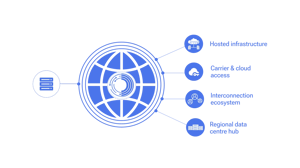
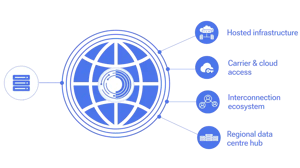
Equinix’s Dubai IBX data centres lead the region’s carrier-neutral landscape, serving as key hubs for global connectivity. Positioned at the heart of MENA, they offer reliable, high-performance hosting for international business operations.
Discover more about
Orixcom Colocation

What is a data centre?
Better together
Reliable, enterprise-grade internet with guaranteed bandwidth and uptime.
will build the right combination for your business.
Colocation services allow businesses to house their servers and IT infrastructure in a third-party data centre, leasing space, power, cooling, and network connectivity. This setup provides cutting-edge infrastructure without the costs of managing their own facilities, ensuring security, redundancy, and scalability for hosting critical applications and data.
Colocation data centres connect to their customers through a variety of means, primarily focusing on providing reliable and high-speed network connectivity. This connectivity is typically achieved through several methods:
-
Network Service Providers (NSPs): Colocation data centres often partner with multiple NSPs to offer diverse connectivity options to their customers. These NSPs maintain extensive networks and provide high-bandwidth connections to the internet and other networks.
-
Cross-Connects: Data centres offer customers the ability to establish direct physical connections between their equipment and the networks available within the data centre. These connections, known as cross-connects, allow for low-latency, high-speed data transmission between the customer's infrastructure and external networks.
-
Internet Exchange Points (IXPs): Some colocation facilities host Internet Exchange Points, which are physical locations where multiple NSPs and content providers connect their networks to exchange internet traffic directly. By connecting to an IXP within a colocation facility, customers can benefit from improved network performance and reduced latency.
-
Virtual Private Network (VPN): Colocation providers may offer VPN services to customers, allowing them to securely access their infrastructure hosted within the data centre from remote locations over the internet. VPNs encrypt data transmissions, ensuring privacy and security for sensitive information.
-
Managed Services: In addition to basic connectivity options, colocation providers may offer managed networking services, such as firewall management, load balancing, and distributed denial-of-service (DDoS) protection, to help customers optimise their network performance and enhance security.
Overall, colocation data centres employ a combination of these methods to ensure that their customers have reliable, high-speed connectivity to support their business operations and data transmission needs.
Determining whether colocation is cheaper than cloud depends on various factors such as the specific needs of the business, the scale of operations, and the desired level of control over infrastructure. Here are some considerations:
-
Upfront Costs: Colocation involves higher initial hardware investment, while cloud services typically operate on a pay-as-you-go model.
-
Operating Expenses: Colocation may offer lower ongoing costs but requires businesses to manage hardware, whereas cloud services often include management as part of the package.
-
Scalability: Cloud services offer easier scalability without upfront investment, while colocation requires planning and potentially additional costs for scaling.
-
Management Overhead: Colocation requires businesses to manage their infrastructure, whereas cloud services often provide management and support.
-
Geographical Considerations: Colocation allows for choosing infrastructure location, beneficial for data sovereignty or latency, while cloud services may incur data transfer costs for different regions.
The cost-effectiveness of colocation versus cloud services varies based on each business's unique needs. Some may prefer colocation for predictable expenses and control, while others may opt for cloud's flexibility and scalability despite higher costs. Conduct a thorough cost analysis before deciding between the two options.
The benefits of colocation include:
-
Cost Efficiency: Shared infrastructure reduces costs compared to maintaining a dedicated data centre.
-
Reliability: Data centres offer redundant power, cooling, and connectivity, ensuring high availability.
-
Scalability: Easily scale resources up or down to meet changing business needs.
-
Security: Robust physical and digital security measures protect valuable assets.
-
Connectivity: Access to high-speed, redundant internet connections and network service providers.
-
Flexibility: Choose hardware and software configurations tailored to specific requirements.
-
Geographic Diversity: Expand operations to multiple locations without the need for additional infrastructure.
-
Compliance: Data centres often adhere to industry standards and regulations, aiding compliance efforts.
-
Support: Access to technical expertise and support services provided by the data center staff.
-
Disaster Recovery: Colocation facilities often offer disaster recovery solutions, ensuring business continuity in case of emergencies.
Wholesale colocation involves leasing a significant amount of data centre space, typically on a larger scale than retail colocation. Businesses rent entire suites, halls, or buildings instead of individual cabinets or racks. This option is popular among larger enterprises, cloud providers, and telecommunications companies requiring substantial space, power, and customization options for their IT infrastructure.
Tenants in wholesale colocation have more control and flexibility over designing, configuring, and managing their infrastructure within the leased space. This enables businesses to tailor the environment to their specific needs, whether deploying numerous servers, networking equipment, or storage systems. Orixcom, as a Managed Colocation services provider, offers wholesale colocation services as well, managing secure, reliable, and customisable data centre space to support clients' IT operations and growth objectives.
Power and connect your digital infrastructure, globally
Discover how Orixcom offers unparalleled support for your colocation needs on a global scale.